
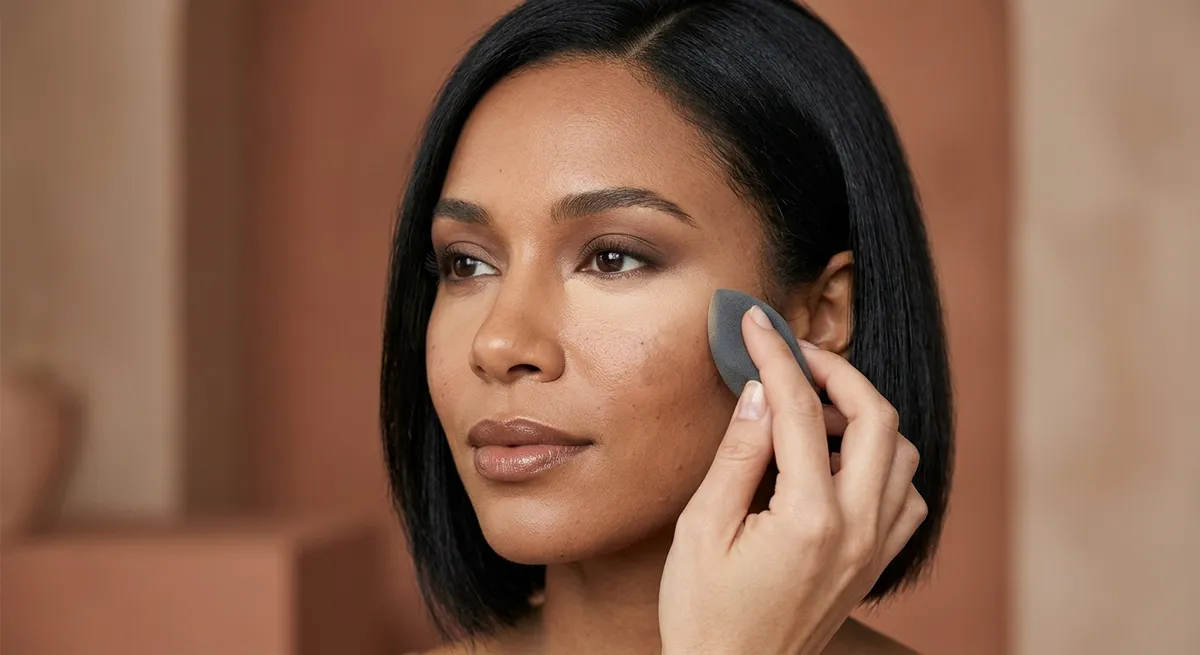
As the natural, skin-first makeup trend continues to dominate beauty routines, the question arises: should your concealer be lighter than your foundation? According to leading makeup artists, the answer isn't as straightforward as yes or no. This guide will break down when it's appropriate to use a lighter shade of concealer and help you avoid common mistakes.
Understanding Concealer Shades
Concealers serve multiple purposes. They can brighten, match skin tones, or correct blemishes and pigmentation. The ideal shade of concealer often depends on the specific task you're tackling in your makeup application.
Lighter Concealer for Brightening
Makeup artists recommend choosing a concealer one shade lighter than your foundation for brightening areas like the under-eye. This promotes a radiant, awake look. The brighter shade draws attention to your eyes, making them appear larger and more youthful. If you’re trying to combat dark circles, opt for a lighter shade that complements your skin tone without being excessively pale, which could give an ashy appearance.
Skin-Tone Matching for Blemishes
When dealing with blemishes or pigmentation, the goal is different. Here, matching your concealer closely to your foundation is likely best. This technique ensures that the blemishes are well concealed without drawing attention to them with a stark contrast. A precise match helps create a seamless, natural finish that blends effortlessly into your complexion.
Darker Concealer for Dimension
Interestingly, there's also room to consider going darker with your concealer to add dimension and depth to the face. This technique can give the illusion of contouring without the need for heavy bronzers or contouring products. Just be cautious to blend well, as a darker concealer can easily become noticeable if not applied correctly.
Tips for Choosing the Right Concealer Shade
When selecting your concealer, consider the following points:
- Undertones Matter: Ensure the undertone of your concealer matches the undertone of your foundation. If you have warm undertones, a warm concealer will work better, and the same goes for cool or neutral skin tones.
- Test in Natural Light: When shopping online or in-store, swatch product shades on your jawline and see how they perform in natural lighting. This step will help you identify any undertones and how they interact with your natural skin color.
- Understand Your Needs: If you mainly need to cover circles, go one shade lighter; if you’re masking blemishes, choose a closer match.
Avoid Common Mistakes
As beauty enthusiasts transition to these new techniques, watch out for common pitfalls:
- Using One Shade Everywhere: Attempting to use one concealer for all areas can lead to uneven patches, especially around the undereye. Tailoring your products to specific needs enhances the overall effect.
- Choosing the Wrong Undertone: An ashy undertone can be particularly problematic for darker skin tones. Be mindful and test, as this can lead to highlighted blemishes instead of concealing them.
Final Thoughts
It’s essential to embrace versatility in your concealer choices. As trends evolve, so does our understanding of the multifaceted role concealer plays in makeup application. By using lighter shades for brightening, match shades for blemishes, and sometimes even darker ones for dimension, you’re setting yourself up for a flawless look. Next time you reach for your concealer, let these tips guide you to achieve seamless, beautiful skin that looks effortlessly radiant.