
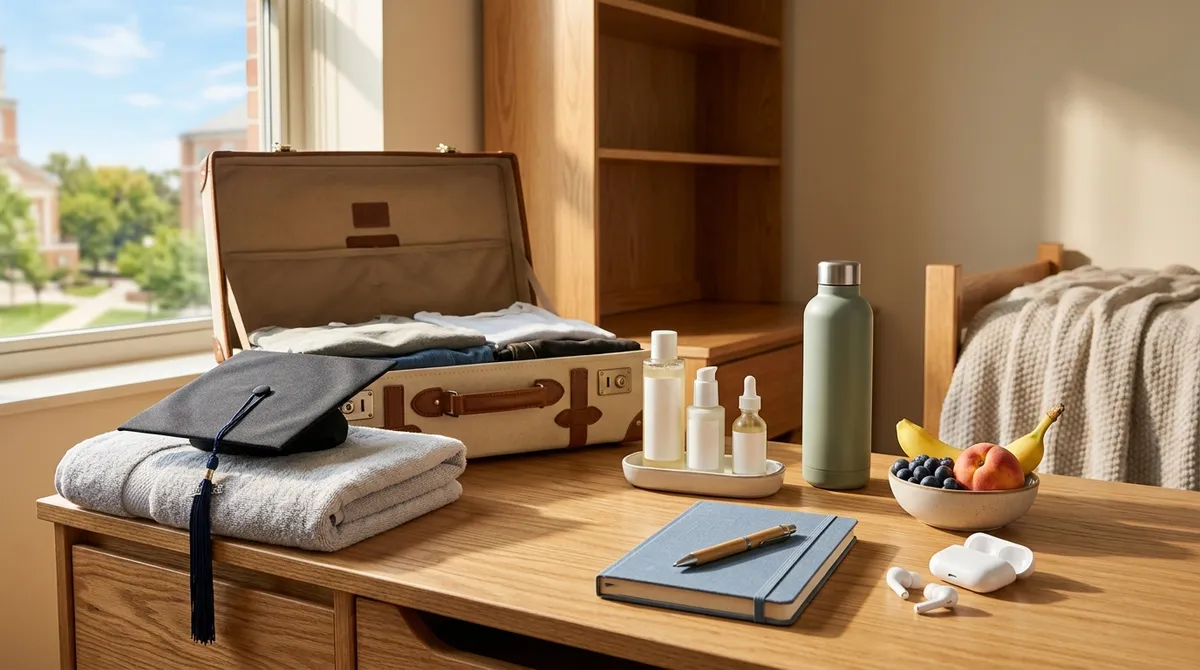
Building Wellness Habits Before Campus Life Begins
As graduation season approaches and college move-in planning intensifies, recent high school graduates face more than just selecting dorm decor and school supplies. According to reports, experts are emphasizing the importance of establishing practical wellness and skincare habits that can support students through one of life's major transitions.
With student mental health struggles and social media comparison on the rise, the focus has shifted toward practical, low-cost habits that can meaningfully impact mental health, confidence, and overall well-being during the college years.
The Foundation: Simple Daily Rituals That Stick
According to wellness experts, the key to successful college preparation extends beyond academic readiness. Reports suggest that simple daily rituals can provide incoming students with the tools they need to navigate the challenges of freshman year and beyond.
The approach centers on building sustainable habits rather than overwhelming routines. For college-bound students, this means focusing on practices that can easily adapt to dorm life, irregular schedules, and the unique pressures of campus living.
Essential Skincare for College Success
Skincare emerges as a crucial component of college wellness preparation. According to reports, a basic three-step skincare routine forms the foundation of self-care habits that can boost confidence and provide stability during times of change.
Sunscreen protection stands out as particularly important, with experts noting its role in long-term skin health and daily wellness routines. For students heading to different climates or spending more time outdoors on campus, establishing sun protection habits before arrival proves essential.
The emphasis on simplicity makes these routines accessible and sustainable. Rather than complex multi-step regimens, the focus remains on consistency and products that work well in shared bathroom spaces and varying water conditions.
Nutrition and Hydration Strategies
Conscious eating and proper hydration feature prominently in college wellness preparation. Reports indicate that dorm-friendly snacks and hydration strategies can significantly impact energy levels and overall well-being throughout the demanding college schedule.
The approach recognizes the realities of campus dining, late-night study sessions, and limited food preparation facilities. By establishing good habits before arrival, students can better navigate the nutritional challenges that often accompany college life.
Building Emotional Resilience
According to experts, emotional resilience represents a critical component of college readiness. With wellness overwhelm increasingly common among young adults, reports suggest that simple stress management techniques can provide valuable support during challenging periods.
The focus on avoiding comparison and burnout addresses the specific pressures facing today's college students. Social media influence and academic pressure create unique challenges that require intentional preparation and coping strategies.
10-Minute Wellness Rituals
For students experiencing anxiety or feeling overwhelmed, reports highlight the value of brief, manageable wellness practices. These 10-minute rituals can provide grounding and stability regardless of dormitory constraints or busy academic schedules.
The emphasis on brevity ensures these practices remain accessible even during finals week, social adjustments, or other high-stress periods common in college life.
Timing and Implementation
The graduation season timing makes this wellness preparation particularly relevant. As students prepare for move-in day, establishing these habits at home allows for easier transition and continuation once campus life begins.
Parents and students can work together to identify which practices feel most natural and sustainable, ensuring the selected habits can withstand the changes and challenges ahead.
Creating Sustainable Change
According to reports, the most effective college wellness preparation focuses on habits that students can realistically maintain. Rather than dramatic lifestyle changes, the approach emphasizes small, consistent practices that build confidence and support overall well-being.
This practical framework helps students develop self-care skills that extend well beyond the college years, creating a foundation for lifelong wellness habits and personal confidence.