Navigating airport security can often feel like a maze filled with rules and regulations that seem designed to confuse travelers. But understanding the ins and outs of the TSA can make your journey smoother and more pleasant. Here are 10 TSA secrets every traveler should know, empowering you to face security checkpoints with confidence.
1. TSA Has Limitations
Many travelers think TSA agents have extensive authority at the checkpoint, but that’s not entirely true. While they enforce security measures, TSA agents cannot arrest you. If a situation escalates, they can only call local law enforcement. This means that understanding your rights can give you peace of mind as you navigate through the screening process.
2. Know Your Rights
Speaking of rights, many passengers are unaware that they have more rights than they realize at security checkpoints. For example, you have the option to decline body scanners and can request a private pat-down instead. Knowing this can help you feel more comfortable during the screening process, especially if you have concerns about privacy or personal space.
3. Modern Body Scanners
The body scanners in use today are significantly different from the older models, which had a reputation for being akin to a digital strip search. These modern scanners are designed to be less invasive while still ensuring airport security. Familiarizing yourself with their function can alleviate anxiety and uncertainties about the process.
4. Surveillance and Privacy
You may have heard about the Quiet Skies program, which involved surveilling everyday passengers. Thankfully, this initiative was shut down due to privacy concerns. This highlights the ongoing conversation about privacy and surveillance in airports, an essential topic for travelers today.
5. Employee Behavior
In an age of increased awareness and accountability, the TSA has faced scrutiny for employee conduct. A private TSA Facebook group exposed inappropriate behavior, reinforcing the importance of recognizing that not all TSA agents may act professionally. If you encounter unprofessional conduct, you have the right to report it.
6. Behavioral Screening Practices
Interestingly, the TSA continues to utilize behavioral observation techniques at checkpoints through a program called SPOT. This method analyzes travelers' behavior to identify potential threats, which means staying calm and composed at security can work in your favor.
7. Understanding SSSS
Have you ever experienced the dreaded SSSS on your boarding pass? This additional screening can be triggered by various factors, including travel patterns, one-way tickets, or paying in cash. By being aware of these triggers, you can better prepare for the possibility of extra questioning or screening.
8. Checked Bag Protocols
If you check bags, keep in mind that TSA screens all checked luggage and may open them without notifying you. To avoid disruption, consider packing valuables in your carry-on and wrapping fragile items securely. This way, you minimize the risks of damage or theft during transit.
9. Vulnerable TSA-Approved Locks
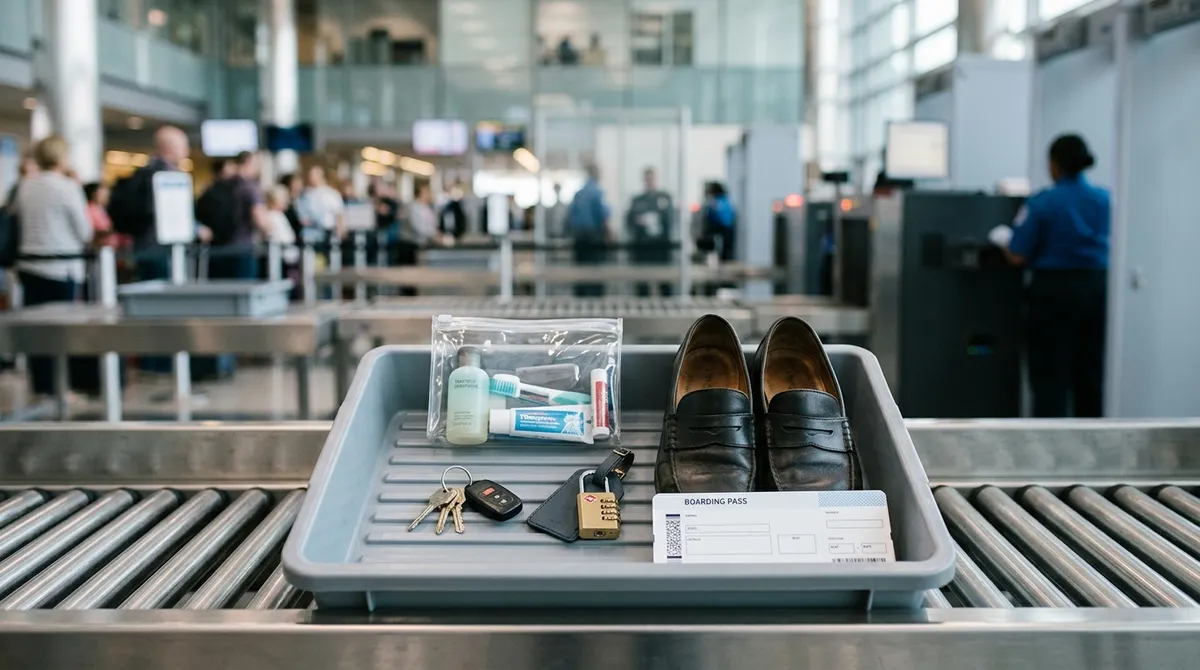
Travelers often rely on TSA-approved locks for peace of mind. However, a significant issue arises: some master keys for these locks have been leaked and copied, potentially compromising your luggage security. Consider using luggage that comes with built-in locks or additional locking mechanisms to safeguard your belongings.
10. Confiscated Items
Not all confiscated items disappear into the ether. Many are sold through auctions or resale stores, turning lost belongings into a potential source of revenue for the TSA. If you have an item confiscated, it’s not entirely gone forever — you might even see it resurface on the resale market!
Empower Yourself
By understanding these TSA secrets, you're not just avoiding potential inconveniences; you're empowering yourself as a traveler. Knowledge of your rights and procedures can transform your experience at the airport, allowing you to focus more on your journey rather than stress over security measures. Next time you fly, remember that you have the tools to navigate TSA with confidence!